
Beef producers share Mercosur trade concerns as deadline nears
The clock is ticking on the Canada-Mercosur free trade agreement negotiations for the end of May, and the Canadian Cattle Association continues to urge producers to be steadfast in their unified message that Canadian beef is not a bargaining chip for Brazil and Argentina in the Mercosur FTA that originated in 1991 and that is now up for renewal.
As prime minister Mark Carney looks to diversify Canada’s trade partners amidst continued log jams south of the border, Brazil has been asking for greater access to Canada for its beef.
“The largest thing Brazil has come and said is we want free, uninhibited, tariff-free access, no quota, nothing,” Andrea Brocklebank, chief executive officer of the CCA, told the recent Livestock Markets Association of Canada convention in Medicine Hat.
“That’s what they want into our market. It keeps me up at night because I look at where we’re at for imports. Canada imports 30 per cent of what is consumed right now. Compare that to the U.S. is 19 per cent, EU is seven per cent and Australia is three per cent.”
Read Also

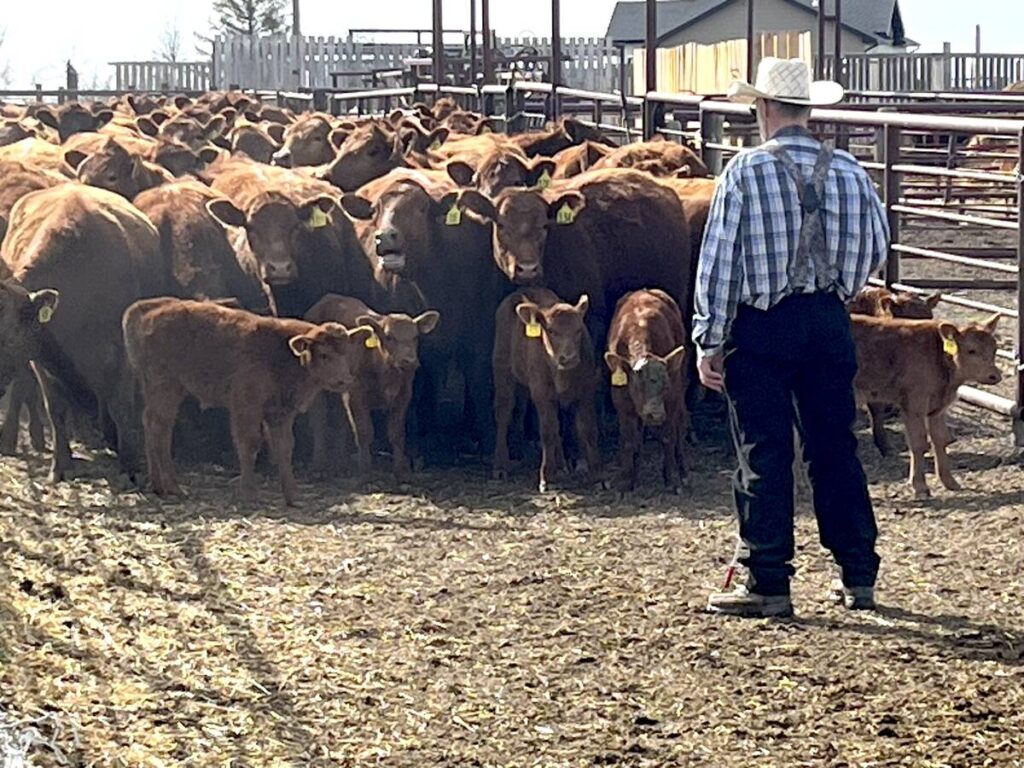
The Canadian cattle industry says plenty is at stake iduring trade negotiations with Mercosur.
Brazil is tied with the U.S. as the top beef producing nation in the world at 19 per cent. Brazil dwarfs its closest export competitor, Australia, by nearly a two-to-one ratio because the U.S. consumes most of the beef it produces domestically.
Brocklebank said it may seem like an oxymoron to be a champion of free trade while also asking the government to not allow Brazil access to Canadian markets for its beef.
However, Canada is not the only country that is worried, she added. Others have closed their borders to what some consider sub-standard and unsafe beef.
“Brazil’s been putting a lot of meat into China, EU and the U.S,. and those markets are saying, enough. (They’re) worried about food security. (They’re) worried about how much cheap products are coming in, so they’re putting up safeguards. They’re restricting those markets,” said Brocklebank.
”If they can’t get into China anymore, where are they going to go? So this is our challenge right now, is we’re not in a free-trade situation. It’s not a level playing field. The labour production standards, animal health, we do have concerns on their reporting standards related to things like BSE and foot-and-mouth, and we do see those other markets creating barriers.”
Brazil is Canada’s largest trading partner in South America, with two-way merchandise trade totaling more than $14.7 billion in 2025.
Canada has been seeking lower tariffs on automotives, information and communication technology, industrial machinery, chemicals and plastics, with Brazil looking to increase its beef exports along with coffee and ethanol.
Canadian and American beef producers have gone on record as being on the same page when it comes to upcoming Canada-U.S.-Mexico Agreements talks in the summer when it comes to wanting to keep the status quo when it comes to their industry.
However, as Canada looks to diversify its trade partners with Mercosur, Brocklebank hopes Carney does not alienate trade relations with its largest trading partner, the U.S.
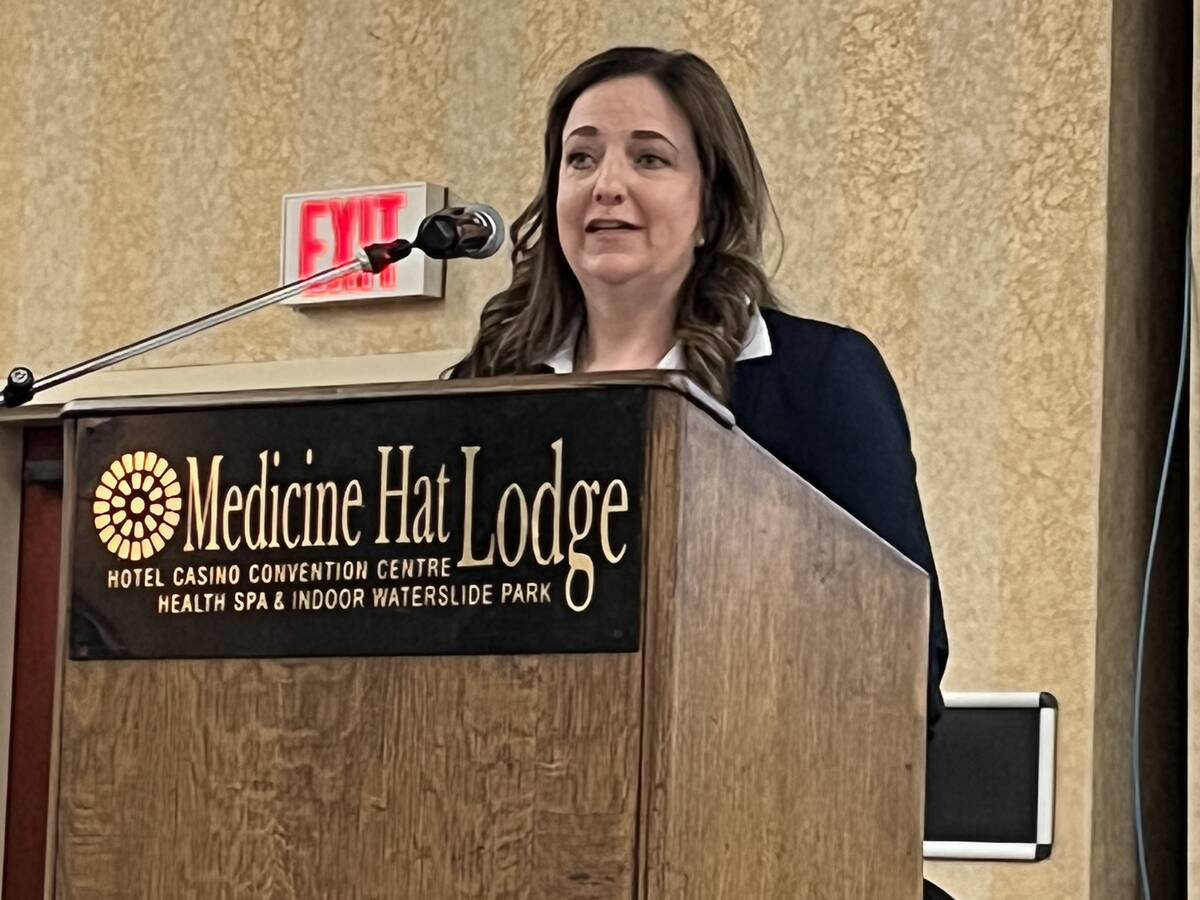
Photo:
Greg Price
“This was one trade agreement, the last government was fast tracking it. They are pushing it so hard, they want it done. They want a checked box so they can say we’ve diversified trade because that’s what Carney is really focused on. What we’re struggling to understand is, what’s the benefits to Canada? We’ve heard a bit about banking services, a bit of pharmaceuticals, but we have seen no cost benefit analysis,” said Brocklebank.
“So my concern is, as we’re signing that deal, any sort of trade irritant puts it (CUSMA) at risk.”
The CCA has gone on the offensive with press conferences and media releases this past month. It encourages producers to approach their MPs and can also access its website to sign up to get communication lines to trade ministers, the prime minister’s office and other civil groups.
A final negotiation round is scheduled for May 24, which the CCA say it will attend.
“We’ve heard from the negotiators that the pressure is useful because this is totally political right now. This is not logical. This is political. We don’t have the same abilities as say, supply management, to this. But, we do have a voice, and you guys need to use it now,” Brocklebank told producers.
“I would encourage you to share on social media, share it and share all the stuff we’ve been doing to help with this because we need to really reach that high political levels at this point in time.”
Source: producer.com