

Efforts continue to save disappearing grasslands
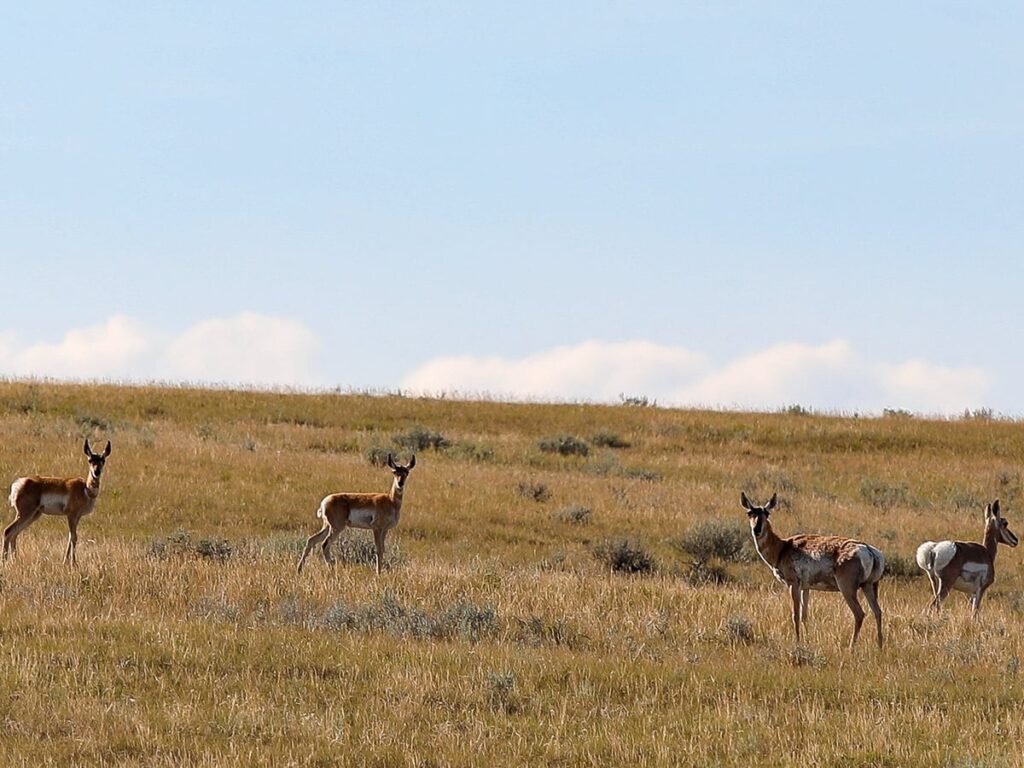
It is the International Year of Rangelands and Pastoralists, and the United Nations-designated year has highlighted that grasslands and rangelands are disappearing at an alarming rate globally.
“We’ve been doing a fair bit of outreach with other organizations globally. How range lands are managed across the planet is very different, and it’s not at all like how it is in Canada. How rangeland pasture is managed in Europe and Asia and Africa is all very different. The unique thing is how the solutions to the management is different in all kinds of places,” said John Wilmshurst, ecologist and native grassland conservation manager with the Canadian Wildlife Federation.
“I think those global perspectives really provide an interest point for producers in Canada to recognize we’re not alone in the planet. There’s other people grappling with these same problems and coming up with interesting and innovative solutions.”
With grasslands and rangelands disappearing across the land at a faster rate than they are being restored, government and industry needs to emphasize its importance before they are lost forever.
It’s estimated that only 18 to 20 per cent of Canada’s native grasslands remain, with the rest lost to urban sprawl, industrial development and conversion to agricultural cropping.
Read Also

Wilmshurst, who has worked on grasslands in Africa, Europe and across North America, said conservation is not a one-size-fits all approach, but wisdom can certainly be passed across borders.
“The methods that are used by Masai grazers in the Serengeti in East Africa, they can have a common element with how grazing can work productively and sustainably in North America as well. It’s just that we have different economic systems, different land ownership policies, those types of things differ,” said Wilmshurst.
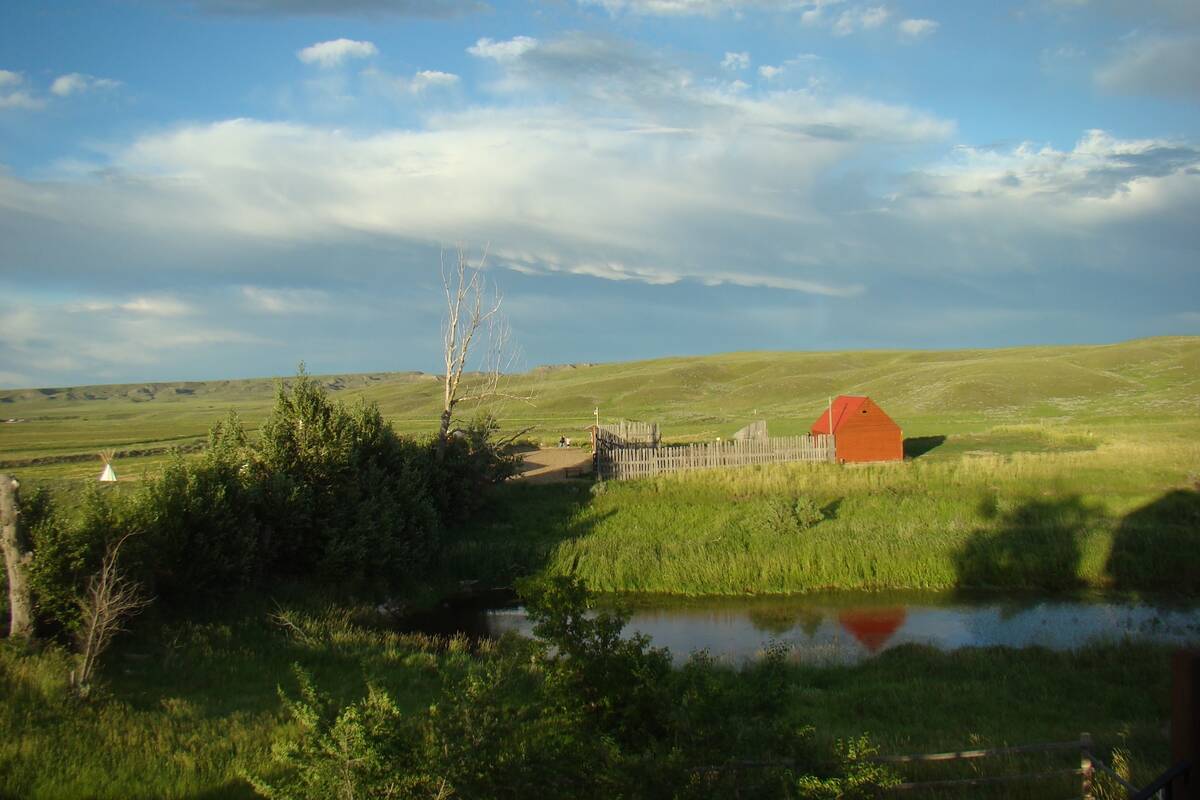
“So it makes it look on the outside that it’s very different, but the actual fundamentals of what’s going on in the ecosystem is very similar.”
Grasslands are important for wildlife, the climate and ecological diversity, but a poll conducted by the CWF a few years ago found that many Canadians don’t even know what grasslands are.
Katherine Peel, project co-ordinator for CWF, works with the Canadian Forage and Grassland Association, which ran a campaign from January to March.
“We were trying to reach Canadians everywhere, especially in places where native grasslands are not. We were really focused on getting people, especially in Ontario, where they have a huge population of people who don’t necessarily have a native grassland in their backyard, and we want to increase their awareness of that, so that they do care,” Peel said about the online advertising campaign that reached four million Canadians.
CWF works with ranchers in Saskatchewan and to a lesser extent Alberta.
Economics play a huge factor as land is converted to cash crops such as wheat, canola and potatoes, and Wilmshurst said the challenges are daunting.
“It’s kind of like a finger in the dike. There’s a lot more conversion of native prairie every year to crop than there is restoration. Conversion takes a day, whereas restoration takes decades. The problem is that it really is very difficult. As soon as you plow out that native grass, you’re volatilizing a lot of that carbon. You’re just sending that in the atmosphere, and to restore that carbon back into the soil takes again, decades to do,” said Wilmshurst.
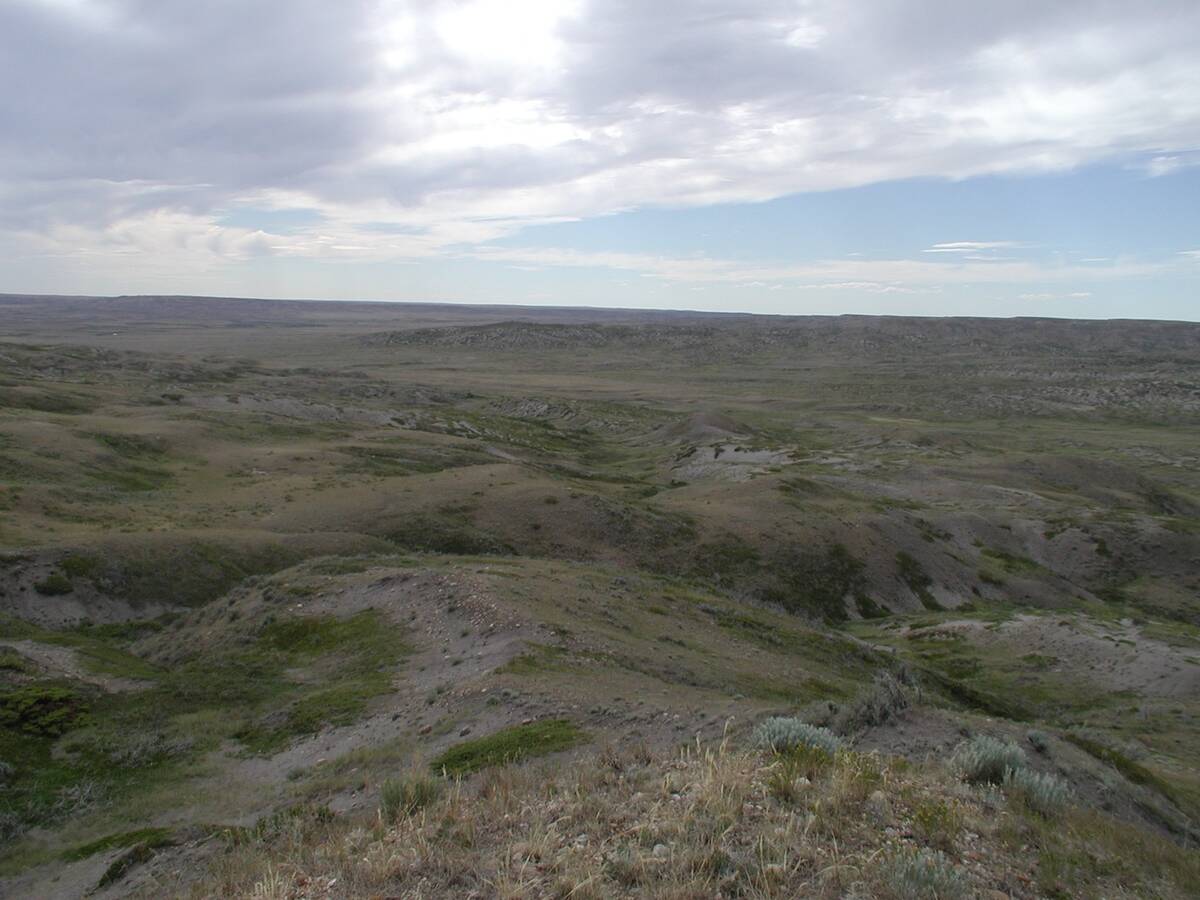
“Governments do that all the time — they subsidize industries in order to make them viable. Producers need an incentive.”
Wilmshurst tipped his hat to the Alberta Conservation Association’s work of the last 15 years. It purchases quarter sections of land that at one time were in crop but are no longer in production, perhaps abandoned due to drought.
“It’s just patience. They do reseeding, you have to spray out the weeds. You have to do maintenance. It’s not a matter of just putting seed down and forgetting it. You have to do years of maintenance. But they actually had a fair bit of success,” said Wilmshurst.
Despite the challenges, the conservation manager for CWF knows the fundamentals are there in the agricultural industry for its producers to shift some of their land stewardship priorities.
“So that they don’t have to make a sacrifice for the rest of Canada because that’s basically what they’re doing. They’re taking an economic hit so that the rest of Canada can profit from it through the curve of sequestration and the biodiversity,” said Wilmshurst.
“We can recognize that and provide policies and programs. Programs like AgriStability, which provides lots of opportunities for crop producers. There’s nothing like that for ranchers or people who are working on native grasslands.”
Source: producer.com