
Failing infrastructure limiting Canadian exports of fertilizer, grains
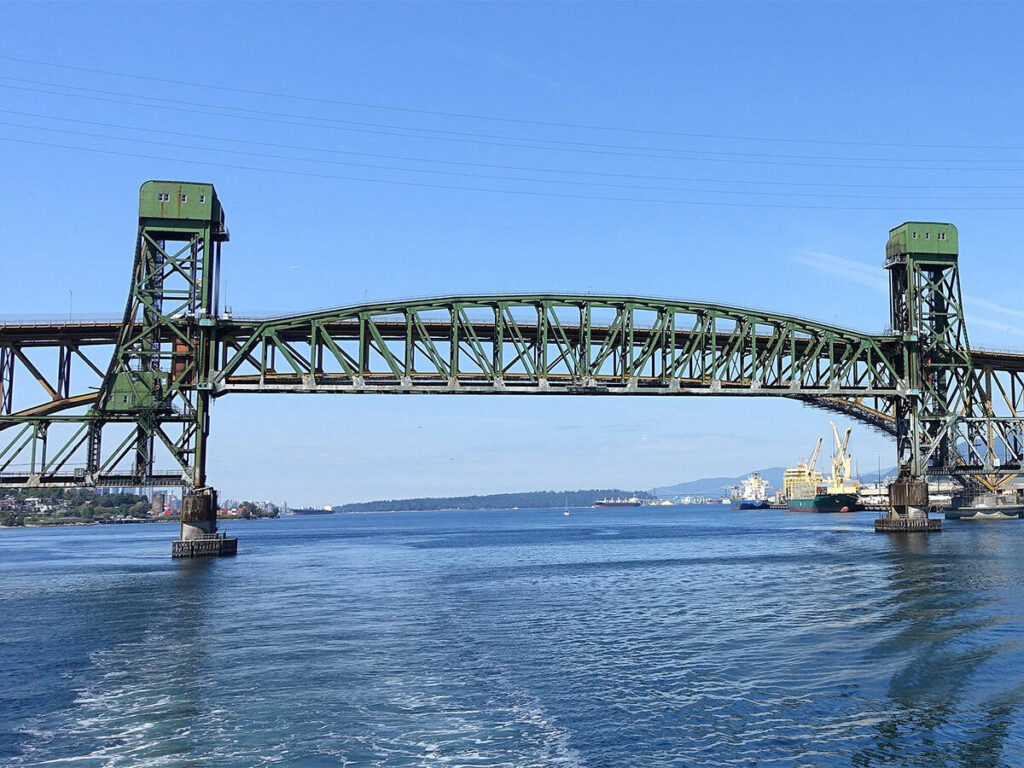
WINNIPEG — The Second Narrows Rail Bridge was built in 1969, but the Vancouver bridge looks older than 57 years.
The mechanical lift bridge, made from steel, allows ships to pass under when in the up position. When the bridge is down, it’s the only way for trains to access the North Shore grain, potash and coal terminals at Vancouver’s port.
More than 20 groups, representing farmers, fertilizer companies and shippers, are urging prime minister Mark Carney to replace it or build a second bridge at the same location.
An accident or mechanical problem in the future could shut down the bridge, which would “immediately halt bulk exports” of grain, fertilizer and other products, says a letter from the groups, sent to Carney this spring.
Michael Bourque, president and chief executive officer of Fertilizer Canada, says the bridge is “emblematic” of problems within Canada’s transportation network.
“The Second Narrows bridge is a very good symbol of what’s wrong. And what’s wrong, is we haven’t … spent enough attention on the supply chains to the ports.”
Read Also
The federal government hopes to diversify trade away from the United States, but that requires massive investments in ports and related infrastructure.
The bridge, owned and operated by Canadian National Railway, is critical for exports. It carries almost one-third of all cargo that annually moves through the Port of Vancouver — 43.7 million tonnes in 2024.
The terminals on the North Shore include G3, Richardson and Cargill for grain, and the Canpotex potash facility.
In February, the bridge had a mechanical problem, locked in the down position for four days. That blocked ships from reaching terminals at the port.
The disruption lasted less than a week, but it exposed a major risk at the Port of Vancouver, says the letter to Carney and transportation minister Steve MacKinnon
“Failure to address these infrastructure vulnerabilities will reinforce perceptions of Canada as an unreliable trading partner, with serious implications for investment, market access, and the long-term strength of our export-driven economy.”
The organizations behind the letter, sent the second week of May, include the Canadian Federation of Agriculture, the Canadian Canola Growers Association, Sask Wheat, Soy Canada and Fertilizer Canada.
Canada’s export industries need a long-term solution to this bridge, which was built in 1969 and wasn’t designed for modern freight traffic, they say.
Possible solutions could be a twinning of the bridge or a modern replacement.
Getting that done is complicated because CN owns the bridge. The federal government can’t order a private company to spend hundreds of millions to replace a piece of its infrastructure.
Still, the feds own the Port of Vancouver and need to maximize exports from the port, Bourque said.
“If you’re port owner … you need to operate it at peak efficiency,” he said.
“It’s the federal government responsibility … to (ensure) there is adequate capacity to bring goods to that port.”
Bigger than one bridge
Carney is determined to diversify trade away from the United States because American policies on trade and tariffs have become unpredictable.
As part that strategy, international trade minister Maninder Sidhu has been travelling the globe, meeting with business leaders and importers in Asia, Europe and elsewhere.
“He’s coming back and telling us that these countries … want more potash, they want more of what Canada has,” Bourque said.
“(But) all of that growth, that is non-U.S., goes through ports.”
Canada’s fertilizer industry knows the weaknesses and choke points in the country’s transportation network because it’s a major user of rail lines, highways and ports.
“We have a very good handle on what’s working and what can be improved.”
Investment in that infrastructure hasn’t been a consistent priority of governments, Bourque said.
That’s why a 57-year-old bridge in Vancouver still carries one-third of all the cargo that goes through the Port of Vancouver.
Fertilizer Canada and other business groups are urging the government to act now on the Second Narrows Rail Bridge and other infrastructure.
“Addressing this now, before a crisis forces it, will protect Canada’s reputation and reinforce our competitiveness,” the letter says.
“Waiting only increases the risk and the cost.”
Source: producer.com