
Farmers continue to fight for wheat board funds
Farmers have always had trouble keeping rats out of their grain.
Sometimes the rats have four legs and sometimes they have two legs, but they are always problematic.
I am not a member of the “class,” but I spent the second week of April in a courtroom in Winnipeg sitting with some class members and watching a “class action” case unfold as farmers once again try to protect their grain.
In short, the farmers are trying to recover $91 million that should have been in their pockets 14 years ago.
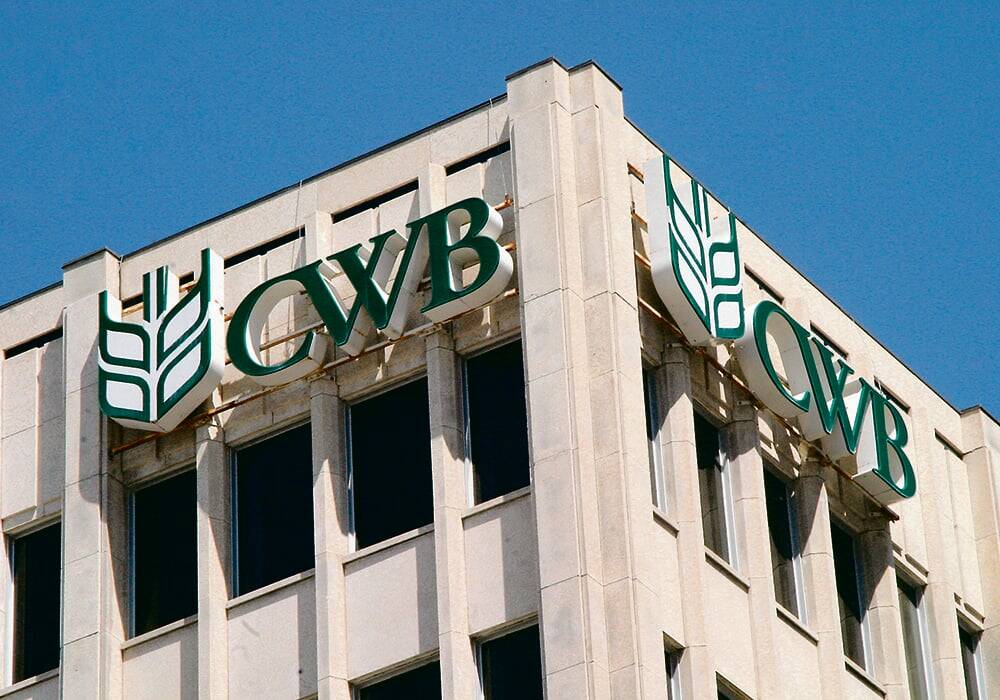
During the privatization of the Canadian Wheat Board in 2011, the government wanted to pretend that the “voluntary CWB” could be a viable stand-alone grain handling company, but private companies need working capital.
Because the CWB by law had always paid out all the money it made from grain sales and related activities to farmers at the end of the year (the pool accounts), it did not have any retained earnings.
The government could have provided funds to the CWB to use as working capital, but it chose to divert farmers’ money instead.
In order to fatten the CWB before the slaughter and gifting of the farmer-paid assets to Saudi Arabia and the grain company Bunge, the government ordered the CWB to hold onto money that in previous years would have been paid out to farmers.
Farmers who delivered to the CWB in 2010-11 had no idea that the government (three months after their crop year ended) would squirrel away $44 million that should have been paid out to them.
The government knew that the contingency fund cap was $60 million, but it ordered that $104 million be placed in the fund in direct violation of the 2010-11 CWB Act and Regulations.
A similar diversion happened in the 2011-12 crop year as the government again used farmers’ money to create more “seed money for the new company.”

Photo:
File
The class action court case turns on the question of what the government did and when it did it.
Evidence provided to the court shows that the government was acting as if the CWB Act had already been changed before its legislation was tabled, passed by the House of Commons and the Senate and received royal assent.
It is one thing for the government to be looking to the future. It is another thing entirely for the government to act as if the future was already in place and the existing laws could be ignored.
The farmers pushing the class action forward are correct in thinking that they should not have been forced to finance a future private company.
The restructuring and privatizing of the CWB should have been paid for by the government that made the changes.
It is even more galling that after using farmers’ money as the foundation for the new company, that same company was simply given to Saudi Arabia and the huge grain cartel Bunge and thereafter called G3.
Manitoba farmer Andrew Dennis, the plaintiff representing Prairie farmers who are entitled share in any award made by the courts, has endured a long and unpleasant ordeal to keep pushing this claim forward.
Another class action involving potato farmers in the Maritimes also took more than a decade to conclude that the government was at fault.
In cases like this, the government’s willingness to delay points to wrongdoing and creates suspicion among the general public, playing into sentiments of western alienation.
To protect their grain, farmers must stay vigilant and carry very bright lights.
Source: producer.com