
Low to moderate soil moisture creates drought resilient wheat
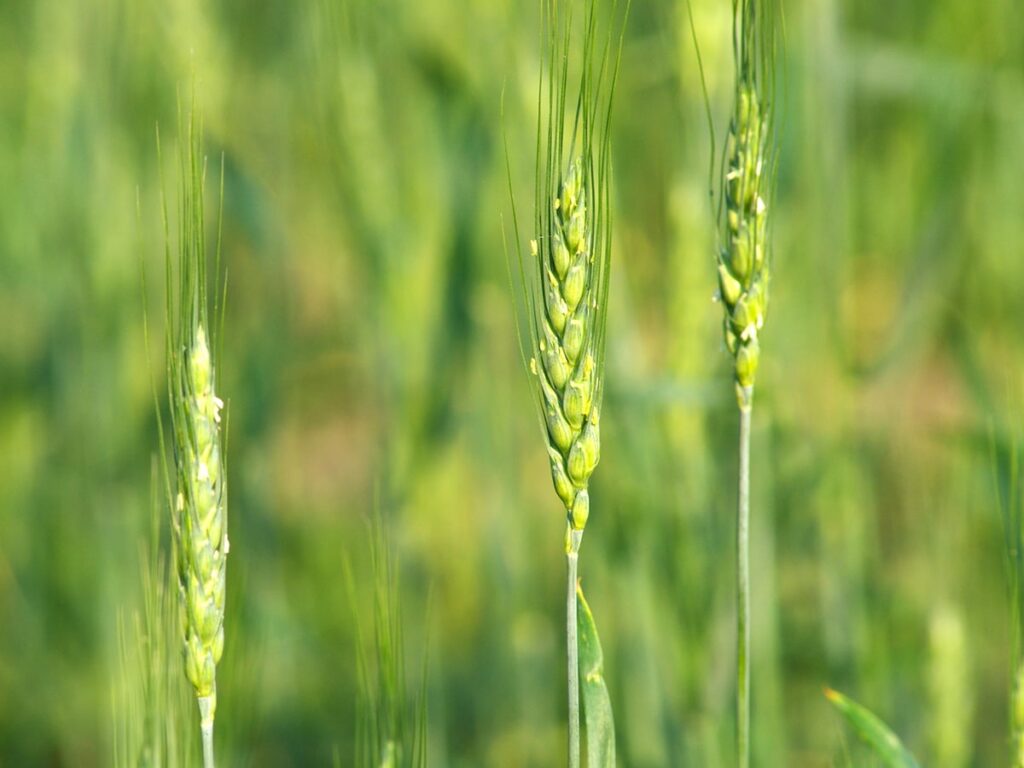
As hot and dry growing seasons increase in frequency on the Prairies, research into crop resilience continues to grow.
A team from the Agriculture Canada research centre in Saskatoon has analyzed resilience and resistance of wheat in drought conditions. The study used three soil moisture levels (low, medium, and high) and application of nitrogen in created drought conditions to track plant response to intermittent drought.
This research helps farmers manage risk and make decisions of fertilizer application in drought conditions.
The findings of this research is a “piece of the puzzle of recommendations” for farmers, said Jocelyn Velestuk, Saskatchewan Wheat Development Commission board chair, a farmer near Broadview, Sask., and former agronomist.
“In the southwest and west-central parts of Saskatchewan, there’s definitely issues with sustained drought conditions,” she said.
“And they’re definitely looking as to ‘how do I manage my cropping plan moving forward.’ ”
The experiment started in a growth chamber with drought “applied” for 10 days to half of the plants, which were then rewatered at the tillering stage. Following the drought, they were moved to a greenhouse.
Read Also

Observations were made using thermal cameras and other sensors to detect drought impact. The photos of the plants were taken with the same background and temperature every three days to properly measure the plant temperature and leaf greenness.
Researchers found that the plants grown with medium and low water levels had higher drought resistance than the high water plants.
Haben Asgedom Tedla, one of the researchers, said this is because the medium and low-watered plants have better adaptation to drought than the plants that received high water levels before the intermittent drought.
The addition of nitrogen enabled better coping to drought conditions for the medium and high water grown plants but further stressed the low water grown plants.
“When you apply fertilizers to the soil … they absorb water from the soil to the fertilizer, and then once they have enough water to get dissolved, it releases the nutrients for the plant to take them up,” Asgedom Tedla said.
“But if you have low soil moisture, then what you applied is in competition with the plants for the water. Then that means it will stress the plant more.”
The team’s research ties to other research on soil mositure and important nutrients such as zinc, sulfate and phosphorous.
Velestuk added that these, and their effects, also have to be considered in dry soil conditions.
Soil testing is important to be able to adjust fertilizer applications based on what’s residual in the soil.
The goal is informed decision making to ensure the growing season is as efficient as possible.
“Do we plan for a drought year, or do we plan for a healthy crop no matter what?” said Velestuk.
“And I think what’s really important here, too, if I think about management, is to measure soil nitrogen, macro and micronutrient levels.”
Asgedom Tedla encourages farmers to continue watching the weather, even though it’s hard to predict, saying the challenge is in finding the balance for the soil and following the correct nutrient management.
“If the growing season is known, if we have a forecast, then we need to pay attention to the fertilizer application,” he said.
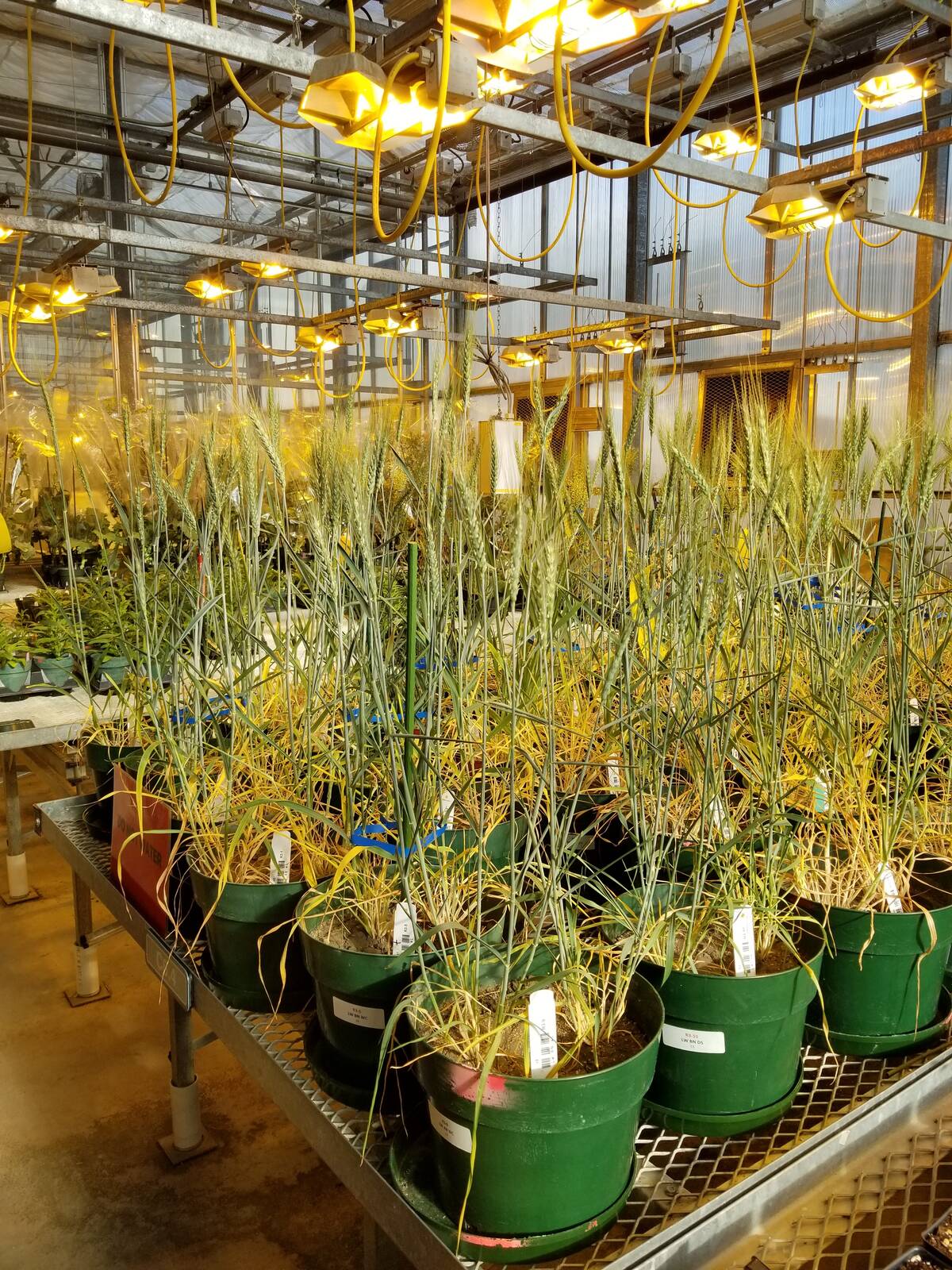
Photo:
Courtesy of Haben Asgedom Tedla
The research determined crop resiliency to intermittent drought under the various moisture levels but couldn’t assure resistance, which was unclear due to the use of only one variety.
With crops, resilience means the plants are affected by the stressful conditions, but once these conditions change, the crop can quickly recover, whereas resistance refers to how long the plant can resist being affected by the conditions.
“Resistance is at the initial stage … so how the plant resists, so to not be affected in its growth, physiology,” Asgedom Tedla said.
”Resilience is, once it’s affected, how fast it recovers.”
The researchers are considering in-field stuides but haven’t yet developed a project plan because it will be more difficult to manage moisture conditions. They are also looking at combining treatments with a colleague in Brandon who is developing a plant stress experiment.
Source: producer.com