
Nova Scotia producers find a variety of uses for drones
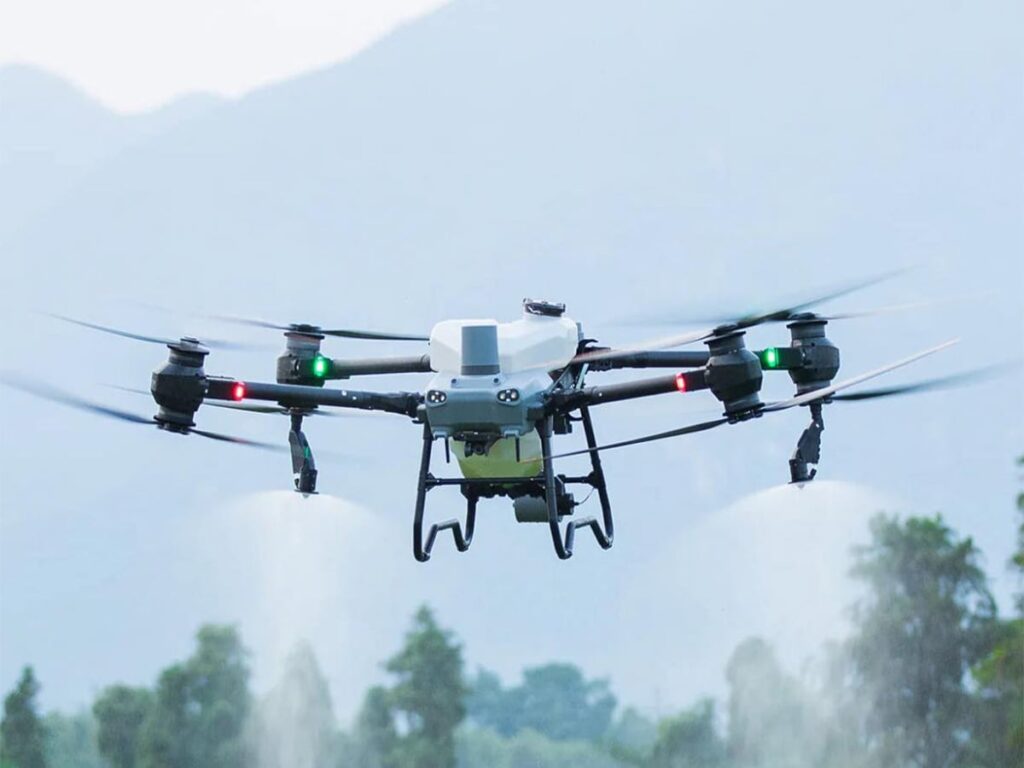
CAMROSE, Alta. — Charles Turcotte estimates he paid for his drone in two years by not repeatedly driving over his cranberry crop every time he wanted to apply fertilizer.
Cranberry crops need to have small amounts of fertilizer applied up to 15 times a year.
Turcotte estimated 10 to 13 per cent of his Nova Scotia crop was buried and destroyed under the tires of his fertilizer spreader in the wet field, costing him 30,000 pounds of cranberry per acre of lost crop.
Read Also

Agricultural research needs stronger roots in producer feedback
Several national farming organizations at Canadian Forage and Grazing Association AGM voice need to refocus research efforts closer to the farm in aftershocks of announced national cuts to agricultural research across the nation.
“I was losing $15,000 to $19,500 per year,” Turcotte said at the recent Canadian Agricultural Drone Association conference about the many useful ways drones can save farmers money.
You can find all our coverage of the Ag Drone Summit here.
“In two years, my drone was free.”
For Turcotte’s neighbouring Christmas tree farmers, drones have cut the spraying job from four months of manual, backbreaking work to one afternoon.
Before the drones, it would take four or five workers loaded with heavy backpack sprayers four months of hard work to spray the 50 acres of Christmas trees while trying not to trip over roots and rocks.
“They will do a 50-acre tree lot with four or five guys for five weeks every day they can. It will cost $40,000 to get the lot sprayed. Now he does it with a drone in an afternoon.
“For Christmas tree farmers, drones are very exciting. There are lots of reasons to use drones.”
Robert Overmars of Overview Farms in Nova Scotia uses his drone to add grass and legumes to established grass fields to improve nutrition.
Most of his 360 acres of land are divided into small 10 or 20 acre fields, making it difficult to use large spraying or fertilizing equipment.
The drones are the ideal size for the small fields, he said.
He did caution farmers to always be aware of the battery life of the drone, despite the size of the field.
Overmars said he underestimated how quickly the battery would lose power carrying heavy tanks of fertilizer and ended up crashing his drone in the trees surrounding the field.
“Don’t mess around with battery life. I didn’t know how much power it takes to keep a full drone in the air compared to one that was getting lighter.”

Source: producer.com