
Recycled human, animal waste could fill most fertilizer needs: study
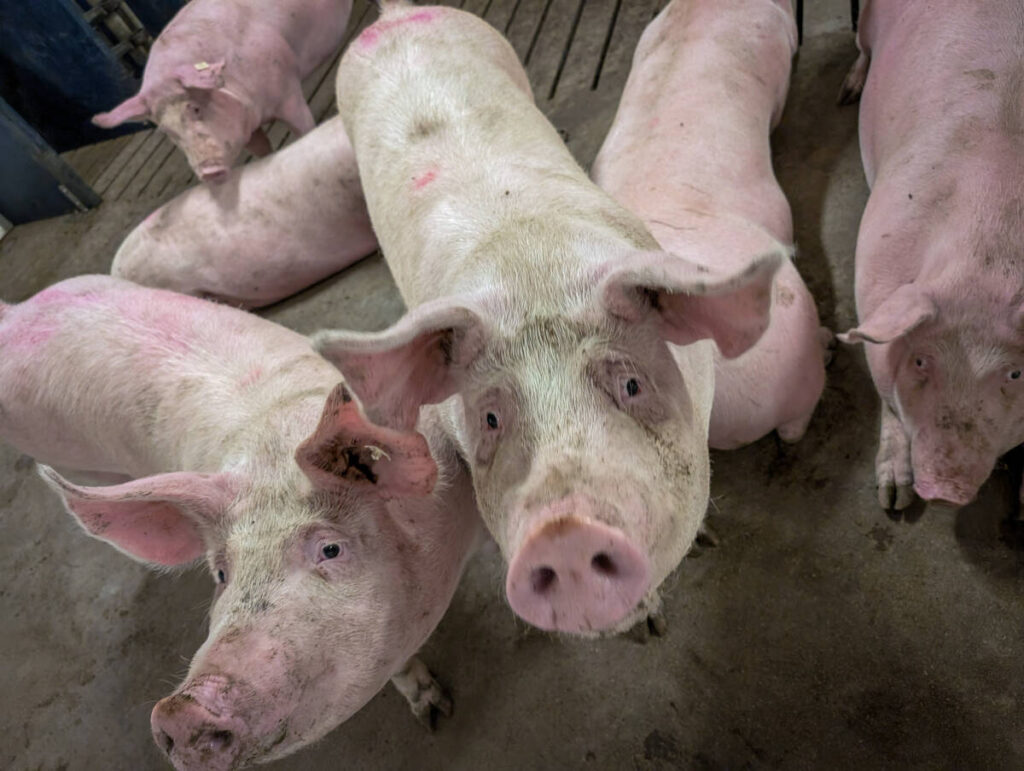
Imagine if nutrients now treated as waste could be captured, recycled and returned to farm fields.
That is the premise behind a recent U.S. study from Cornell University, which estimated how much human and livestock waste could be recovered and reused in agriculture.
The researchers found nutrients recovered from human and livestock waste could, on paper, replace all of American agriculture’s nitrogen needs and about half of its phosphorus.
Recycling nutrients from waste streams could help farmers stretch fertilizer supplies while reducing losses to waterways.
In a paper published in Nature Sustainability, Cornell researchers estimated waste-derived nutrients in the United States could supply 8.56 million tonnes of nitrogen and 2.8 million tonnes of phosphorus, enough to meet 102 per cent of current nitrogen demand and 50 per cent of phosphorus demand.
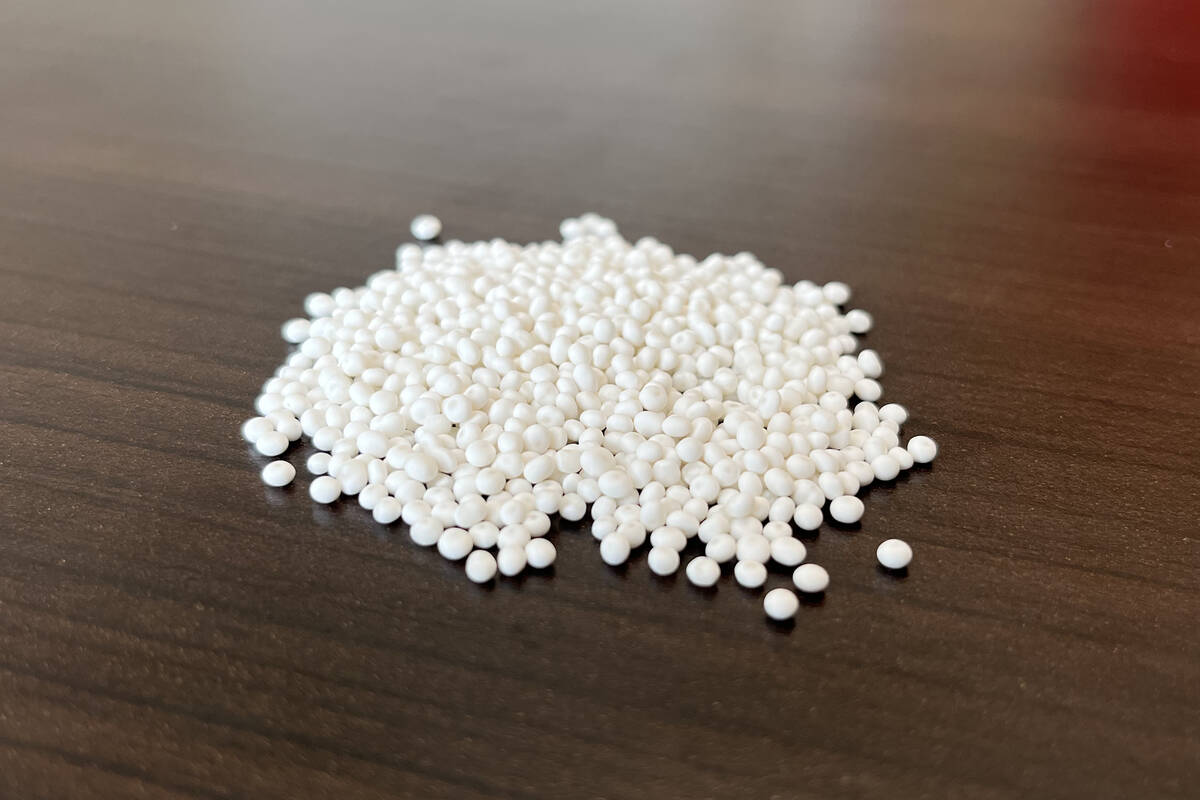
Photo:
Joanne Thiessen-Martens
The catch is that the nutrients are often concentrated in the wrong places, with surpluses in population-dense or livestock-intensive regions and deficits in major crop-producing areas.
It does not mean farmers will soon be fertilizing crops with municipal waste, but it does suggest modern agriculture is letting a large pool of nutrients slip through the cracks.
Read Also

The idea is part of what researchers often call closed-loop nutrient management — capturing nutrients that would otherwise be lost and cycling them back into agriculture.
It is not a new idea, but it is drawing renewed attention as environmental concerns grow and fertilizer markets, rattled by geopolitics, remain unpredictable.
Where nutrients are needed
Author Chuan Liao said that is where the idea’s promise begins to run into the realities of agriculture. The main constraint, he argued, is not absolute nutrient scarcity, but the mismatch between where nutrients are generated and where crops need them.
“The resources are already there,” he said.
“Technology is also more or less there. It’s about how to make them align in terms of supply and demand.”
However, Liao said some of that gap could be bridged, at least in the short term, by focusing on the low-hanging fruit. That means starting in places where nutrient-rich waste is already close to crop demand, such as livestock-heavy areas surrounded by grain production.
Researchers found that 37 per cent of the nitrogen and 46 per cent of the phosphorus could be used locally, with more of the surplus potentially redistributed if processing and transport costs can be overcome.
Ostara, a U.S.-based nutrient recovery company, is already doing that work. It has projects across North America and Europe that extract struvite, a magnesium ammonium phosphate fertilizer, from municipal wastewater.
On the Prairies, the company’s partners include the cities Saskatoon, Edmonton and, most recently, Winnipeg, where concern over phosphorus overload in Lake Winnipeg has helped sharpen the case for nutrient recovery.
Those projects do not amount to a broad replacement of synthetic fertilizer, but they do show that at least some nutrients now treated as waste can be captured, processed and returned to agriculture in a usable form.
Closing the loop
University of Manitoba soil scientist Joanne Thiessen Martens said the broader idea of closed-loop nutrient management can mean different things, depending on the nutrient involved.
For phosphorus, she said, the case is especially compelling because it is a non-renewable mined resource that is still largely managed through a linear system.
“I focus on phosphorus because that’s the one where the closed-loop system takes a little more thought and intervention,” she said.
“There’s also a little more urgency because it’s a non-renewable resource.”
In her view, the problem is not just how long phosphate reserves may last. It is the fact that phosphorus is mined far from where it is used, applied to fields and then too often lost to landfills or water.
“It doesn’t really matter whether we have five years of deposits or 500 years of deposits,” she said.
“That’s just not a sustainable way to manage any kind of resource.”
Her concern has particular resonance in Manitoba, where phosphorus losses have long been tied to algal blooms in Lake Winnipeg and to the broader problem of nutrient loading in freshwater systems.
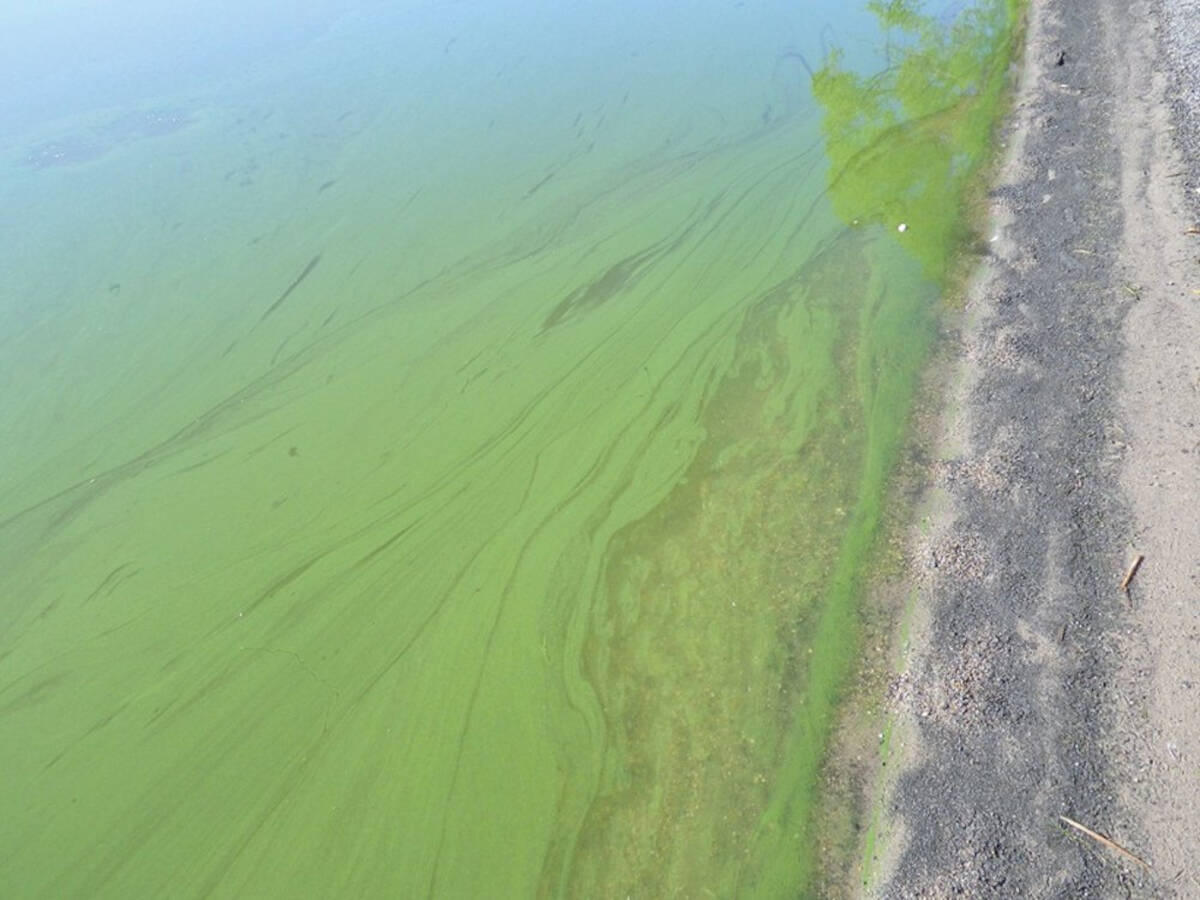
Photo:
Government of Manitoba
Thiessen Martens said it takes only a small amount of phosphorus in a freshwater lake to trigger serious consequences, from algae blooms to more harmful ecological and human-health effects.
The distance problem
Like Liao, she said geography and logistics are major obstacles to making nutrient recycling work at scale.
Waste nutrients are often concentrated where there are many people or livestock, while crop demand is elsewhere. Moving those nutrients back to deficit areas is expensive because the material is bulky and sometimes raises safety concerns, especially when it comes from human waste.
In Manitoba, she noted, there is often little economic incentive to move manure farther away from hog barns to fields that are lower in phosphorus.
Thiessen Martens pointed to a 2021 University of Manitoba perspective paper by Jessica Nicksy and Martin Entz that examined the closed-loop question from a Canadian perspective with a focus on phosphorus.
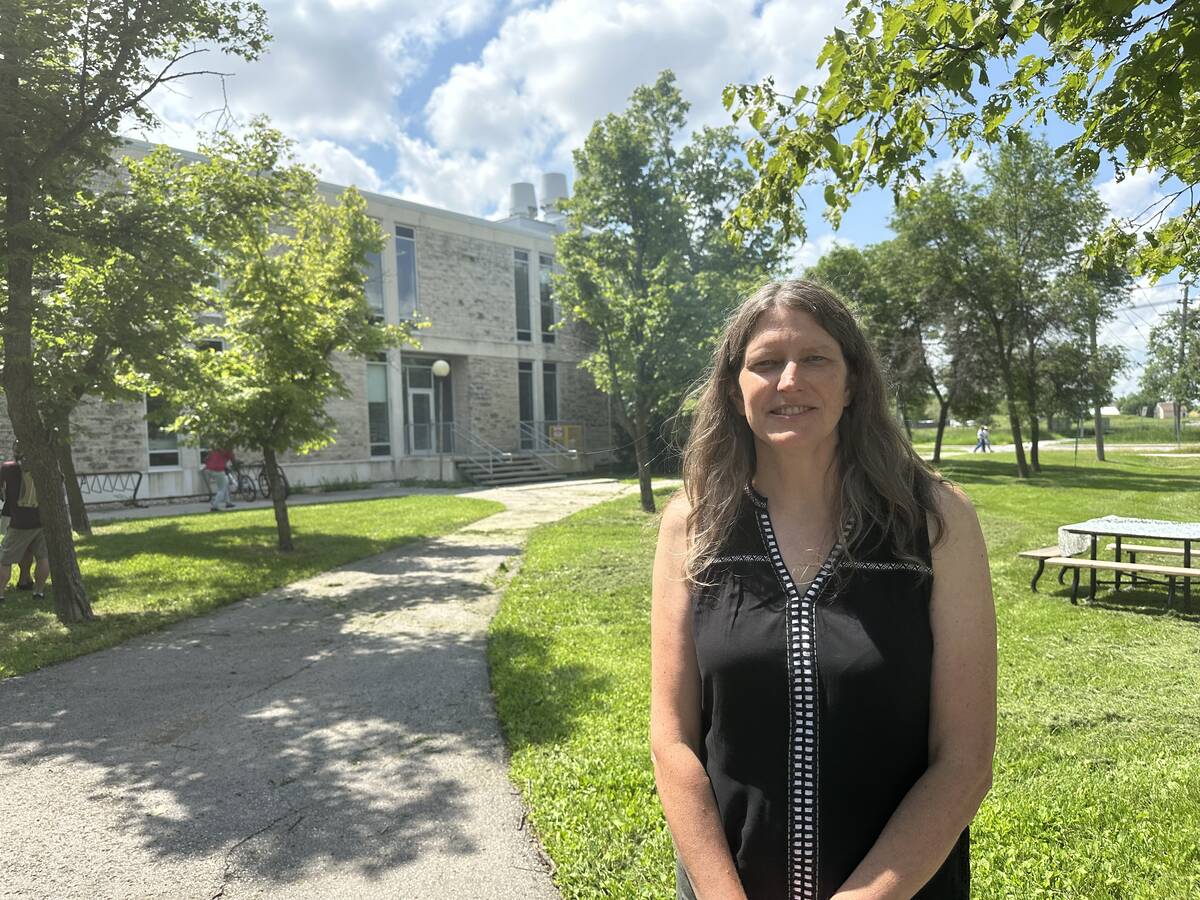
Photo:
Don Norman
The authors argued recycled phosphorus cannot fully eliminate Canada’s reliance on imported fertilizer, but it can still play a meaningful role. They estimated Canadians generate about 31 gigagrams of phosphorus annually in food and human waste, equal to about eight per cent of annual fertilizer phosphorus imports.
Thiessen Martens’ own work is now pushing that discussion forward in two directions. One stream is trying to better understand how struvite behaves in soil, including the implications of its very slow release compared with standard phosphorus fertilizers. The other looks at how struvite might fit more naturally into organic systems, including whether composting it with other materials could improve access and create a phosphorus-enriched compost that could be applied at lower rates.
The research is ongoing, but early results are encouraging.
“It does look promising,” she said.
Source: producer.com