
What went wrong at Monette Farms?
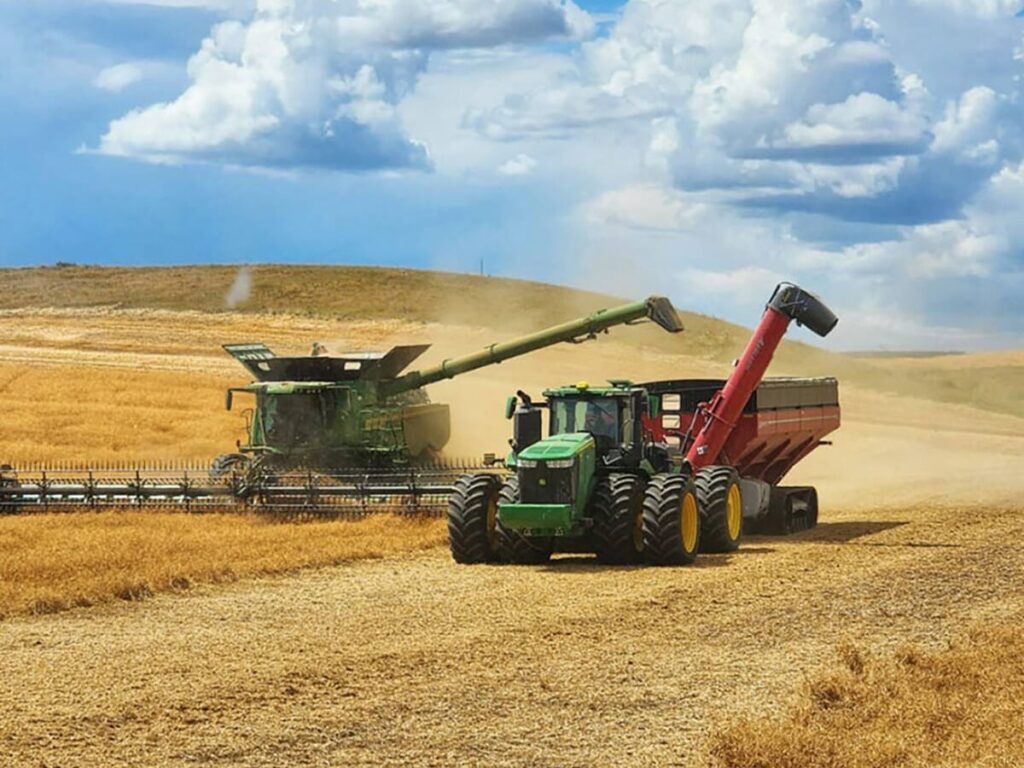
WINNIPEG — Adverse weather in Saskatchewan and crop insurance policies in the province contributed to the demise of Monette Farms, says an affidavit signed by Darrel Monette, chief executive officer of the company.
However, that same affivadavit says the farm was highly dependent on low interest rates and increasing land values to expand the business.
You can follow all our coverage of Monette Farms here.
Read Also
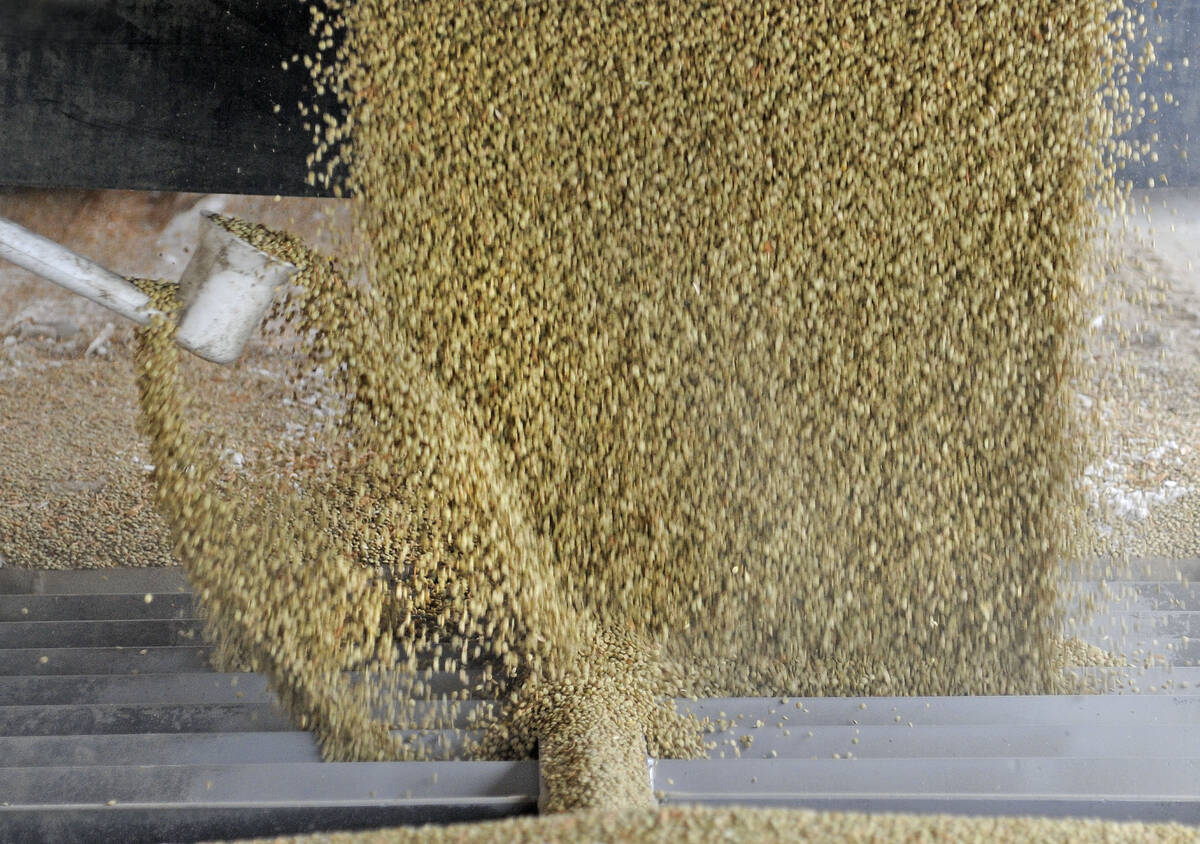
Poor monsoon may boost Indian lentil imports
India’s monsoon rains are expected to be below normal, which could hurt pigeon pea production and increase green lentil imports.
When profits declined in 2024, Monette Farms hit a financial wall.
“(The) historical growth strategy relied heavily on leverage, primarily through the expansion of farmable land using debt,” the court filings say.
“This approach was sustainable with lower interest rates in the range of three percent and growing (land) valuations. Beginning in 2024, however, the applicants’ EBITDA (earnings before interest, taxes, depreciation and amortization) declined materially due to a combination of expansion into lower-margin segments and adverse farming conditions.”
On April 21, Monette filed for creditor protection to restructure his businesses.
The application was filed in Calgary, and the company remains operating under Companies’ Creditors Arrangement Act proceedings. Monette owes about $900 million to a syndicate of lenders, which includes ScotiaBank and other financial institutions.
The massive farm, which now owns 274,000 acres of land in Western Canada and the United States, operates grain farms across the Prairies, has livestock ranches in British Columbia and farms in Montana and Arizona.
Monette’s financial status changed in 2024, when dry conditions plagued many farmers in Saskatchewan.
“Profits have been substantially burdened by expansions into the produce and cattle herding segments…. This reduced EBITDA per acre by nearly 50 per cent to its lowest in any year this decade, currently at $83 per acre (for 2024),” says the application for creditor protection.
In the early part of the 2020s, Monette was doing well. EBITDA was between $154 and $309 per acre from 2021 to 2023, says the affidavit filed to a Calgary court.
Monette has about 50,000 acres of deeded land and also rents cropland around Swift Current, Sask., so the largest share of his Saskatchewan holdings are in the southwest.
The summer of 2024 was hot and dry across Saskatchewan and dragged down yields for many crops, especially in the southwest.
The average canola yield in southwestern Saskatchewan that year was only 22 bushels per acre compared to 37 bu. in northeastern Saskatchewan. Similarly, spring wheat yields were 29 bu. per acre, compared to 46 bu. for the entire province.
Many farmers in the southwest received crop insurance payments to compensate for the weak yields in 2024, but Monette was ineligible for the same level of compensation.
Grain production in other parts Saskatchewan, in places such as Kamsack and Prince Albert, where Monette also has farms, was average or above average in 2024.
That offset the weak yields posted in southwestern Saskatchewan, thus increasing the average grain production for Monette Farms that year.
“With his large portfolio (of land), he’s treated as a single producer,” said Robert Andjelic, who runs Andjelic Land and rents cropland to Monette.
“They (crop insurance) take his whole operation into (account), which I don’t think is right. He’s being penalized … (possibly) tens of millions of dollars.”
In a press release, Monette Farms said challenging economic conditions such as sustained cost pressures, volatile commodity markets and higher interest rates led to the decision to seek protection under federal legislation.
Item No. 51 in the 43-page filing for CCAA protection mentions crop insurance and how Saskatchewan Crop Insurance Corp. policies “favour single-farm operations.”
As an example, Monette pointed to its home farm near Swift Current.
If grasshoppers damaged crops around Swift Current in 2026 but not in other parts of Saskatchewan, crop insurance would consider the strong yields at other Monette Farms locations.
“If (Monette) as a whole does not incur a loss in grain, (it) may not be entitled to insurance compensation,” the court filing says.
“Meanwhile, a Swift Current neighbour who only owns local land may receive $800 per acre in compensation, which is considerably more than what (Monette) might get.”
SCIC, in an email, said the crop insurance program requires contract holders to demonstrate “legal, operational and financial independence from all other producers.”
“These regulations ensure public financial support is provided to operations experiencing whole-commodity production losses.”
Saskatchewan’s crop insurance policy may have cost Monette some money, but the 43 page court filing and independent analysis shows that many factors contributed to his debt and finanical troubles.
Too diverse?
Western Canadian farmers and agricultural industry leaders have varying theories on the causes of Monette’s financial problems. Two issues are often raised:
- Monette lost focus of his core business, which is operating grain farms in Saskatchewan .
- Managing satellite farms, or pod farms, across a wide geography on the Prairies was challenging and likely cut into profit margins.
Monette was operating about 17 different business entities as part of the Monette Farms group, says the application for creditor protection. That included grain farms, produce farms, a seed business, cattle ranches in B.C. and farms in Montana and Arizona, as well as a winery in B.C. called Goat’s Peak.
The winery’s vineyard is located in Cache Creek, B.C., but Monette had plans to build a tasting room near Kelowna.
The proposed structure included a lighthouse, which caught the attention of the local media.
Managing a seed business and a vegetable farm and farms south of the border would be a massive job, but Monette also operated about eight grain farms in Western Canada.
Those farms were spread across a massive geography, stretching from Eddystone, Man. in the east to The Pas, Man., in the north and southwest to Swift Current, a drive of about 1,100 kilometres.
A Saskatchewan farmer who spoke to The Western Producer said he only buys or rents cropland that’s a short drive from his home. Operating pod farms from a distance might work well in a year with decent growing conditions and strong commodity prices, but when profit margins get tight, decision making matters.
Timely decisions and careful managment can determine if a crop generates a $90 per acre profit or a $30 per acre return.
Monette has already sold land near Regina, in Montana, near Hafford, Sask, and in Stewart Valley, Sask., to raise cash and manage his debts.
Whether that’s enough to satisfy his creditors, so he can secure financing to operate his farms in 2026, is unclear and is the topic of speculation at coffee shops across Saskatchewan.
Monette has his critics, including many on social media, but Andjelic isn’t one of them.
Andjelic owns about 250,000 acres of farmland in Canada and has met hundreds of businesspeople during his decades in commercial real estate and in agriculture.
“As far as I’m concerned, he’s one of the best…. Every industry needs people like him. They’re the ones that create the jobs … and the opportunities,” he said.
“I’m hoping he’ll stay in business.”
The Western Producer contacted Monette Farms for this analysis, but it did not respond.

Source: producer.com