
Canola growers miss out on record crush margins

SASKATOON — Canola crushers need to do a better job of sharing the riches, says a grain market analyst.
The Intercontinental Exchange (ICE) Canola Board Crush Margin achieved record levels exceeding $350 per tonne in April.
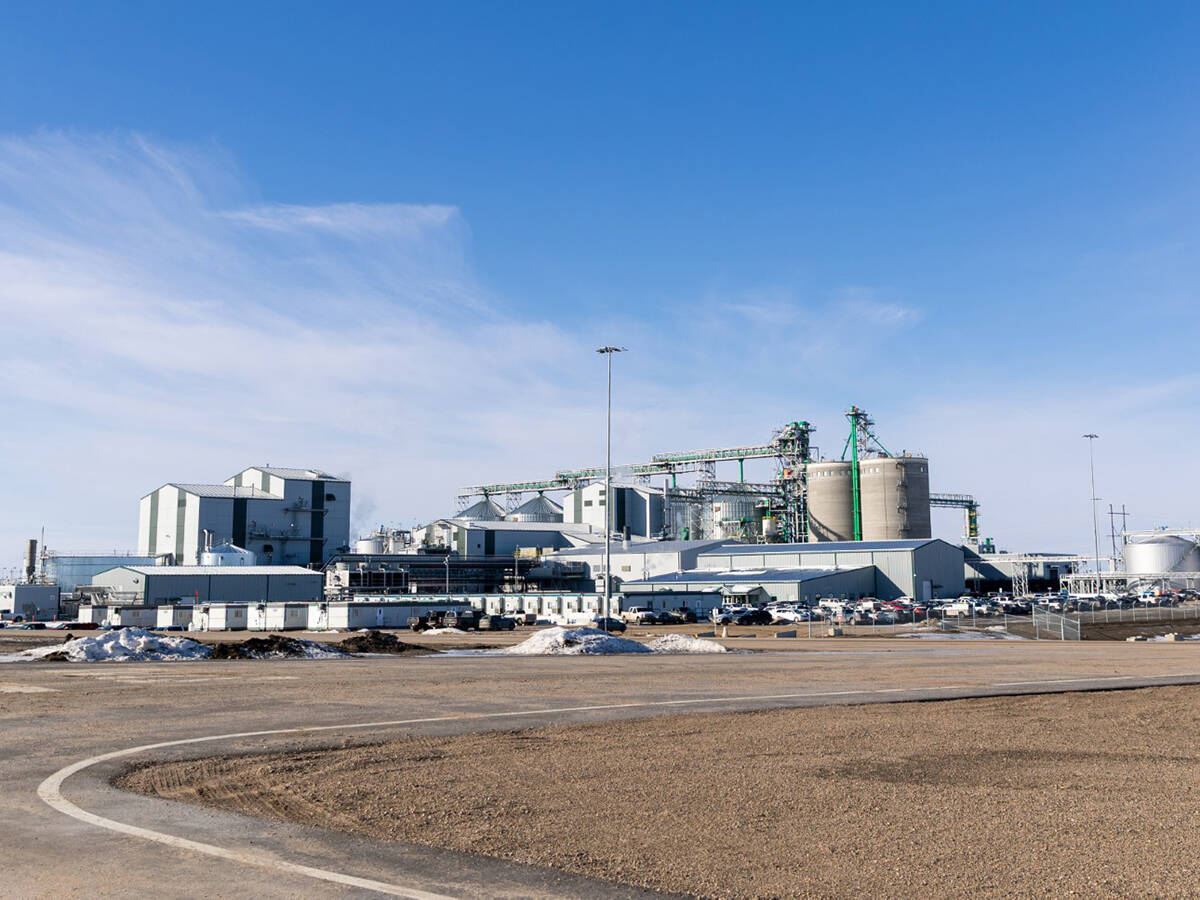
Related story: Cargill opens canola crushing plant in southern Saskatchewan
Read Also

Sunterra loses bid to appeal in cheque kiting case
Sunterra Farms had asked to appeal a decision that meant it had to pay $35 million to an American lender
“Canola producers are not being awarded their share of the (profit) pie, which improvements in biofuel demand and surging energy markets are inspiring,” DTN contributing Canadian grains analyst Mitch Miller wrote in a recent column.
He acknowledged that the ICE calculation is not a precise reflection of actual canola margins because the calculation is based on the value of soybean oil and meal futures converted to Canadian dollars, less the value of canola seed futures.
However, the margin was $345 as of April 20, up from $120 a year ago, an indication that business is pretty darn good for crushers of late.
Why it Matters: A lot more canola is crushed than exported these days.
Miller said margins are up about $150 per tonne, or $3.40 per bushel, since January. He believes farmers should be participating in that price hike, especially considering the soaring fertilizer and fuel costs they are facing.
He warned that growers may find cheaper crops to grow if they are not allowed to share in the additional profits that record biofuel use is inspiring.
“Reduced production is the last thing the canola crush industry (or exporters for that matter) want right now,” said Miller.
Jeff Vassart, president of Cargill Canada, said crushers are experiencing heightened risks in today’s volatile markets, so while today’s crush margins are attractive, they are likely fleeting.
“Yes, we have seen crush margins improve, but we have also seen that volatility shift and go the other direction extremely quickly,” he said.
“Market conditions are extremely volatile and can change at the drop of a hat.”
Neil Townsend, chief analyst for GrainFox, said farmers don’t have much bargaining power.
“The only thing they control really is what they’re willing to sell their canola for,” he said.
He doesn’t expect crushers to be inclined to share their record profit margins with growers.
“They probably would say, ‘hey, we just built a brand-new facility, we need to pay that off,’ ” said Townsend.
Growers have been confronted by several market disruptions on the export side of the business during the 2025-26 marketing campaign.
That likely resulted in some bargain buying for crushers, and they are reaping the rewards.
“At some points of the year, (growers) felt that the crushers were the only game in town and the crushers took advantage of that,” he said.
“I do think that because of the volatility and uncertainty that farmers were maybe more aggressive at selling canola.”
The good news for growers is that the record crush margins indicate there is strong global demand for the products made from the canola they are delivering.
On the oil side, that is due to surging demand from the biofuel sector.
On the meal side, it can be attributed to soaring demand for animal protein, which in turn is spurring consumption of feed products.
“Feed demand has been very resilient,” said Townsend.
Protein consumption continues to be strong despite high meat prices. That is supporting canola meal demand and prices.
“You haven’t heard the crushers complaining one time this year that they’re backed up with meal and can’t crush anything anymore,” he said.
Miller expects above-average canola crush margins to remain in place in 2026-27, driven in part by what is happening south of the border.
U.S. soybean crush margins were above US$3 per bushel as of April 21, compared to more normal levels of $0.80 to $2.20 per bu.
He doubts the U.S. soybean crushers will improve their bids to farmers due to the lack of competition from corn.
“That said, in the long run, producers should be aware of the fact crushers can certainly afford to improve their bids should they choose to,” said Miller.

Source: producer.com